
Read it to me:
To win specifications, a building product manufacturing brand has to think like the person making the choice. Architects approach product selection with a unique set of priorities, and most of them have little to do with a flashy sales pitch. They are balancing creative vision against budgets, deadlines, building codes and client expectations. For marketing directors for building product manufacturers, understanding how specifiers evaluate product selection provides a powerful advantage when shaping your marketing strategy.
Let's step into the architect's office and explore what drives their decisions.
What Specifiers Prioritize When Evaluating Brands
Architects carry enormous responsibility. Every product they specify reflects on their professional reputation and artistic vision, as well as the long-term performance of the building. That's why their specification centers on a few clear priorities.
-
Risk mitigation comes first. Architects need proof that your product performs as promised. They look for verified performance data, code compliance, warranties and a track record of reliability. Anything that introduces uncertainty becomes a reason to choose a competitor.
-
Accessibility of information matters just as much. Specifiers move quickly through dozens of decisions. If they cannot find dimensions, performance ratings or installation details within a few clicks, they move on. Easy access to technical data often beats a marginally better product that's harder to evaluate.
-
Design flexibility and aesthetics influence the shortlist. Architects want products that support their creative vision. High-quality photography, finish options and real-world application imagery help them picture your product in their project.
-
Sustainability has become non-negotiable. Green building certifications, energy efficiency and recycled content frequently dictate which products make the cut. If your sustainability story isn't clear, you risk being excluded before the conversation even starts.
Common Questions Architects Ask, and How to Answer Them
Your sales and marketing teams likely hear concerns like these again and again. Strong, confident responses turn hesitation into trust. Here's how to handle the most common objections.
"How do I know your product meets current building codes?"
Architects fear compliance gaps. Respond with specifics. Point them to third-party testing, code listings and certifications. Better yet, audit your technical documents regularly so your specs always reflect the latest local and national standards. When your materials answer this question before it's asked, you remove a major barrier to specification.
"Will this product still be available and supported years from now?"
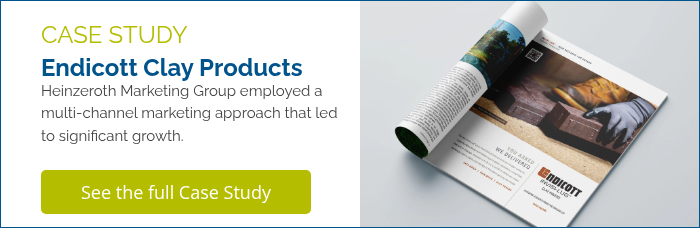
Longevity signals reliability. Highlight your company history, manufacturing capacity and warranty support. Endicott Clay Products leaned into its century-long legacy to reassure architects that specifying their brick was a beautiful, safe, and lasting choice. Your story of stability builds confidence.
"Do you offer BIM files and CAD details I can drop into my project?"
The answer must be an unqualified yes. Provide high-quality BIM objects for Revit and ArchiCAD with embedded data like dimensions, materials, energy ratings and warranty information. Make these digital files easy to find and download from your website. When an architect places your BIM object into their model, your product becomes part of the building's digital design and far harder to substitute later.
"How is your product different from the competitor I already use?"
Avoid generic claims. Lead with quantifiable advantages and real project outcomes. Show the specific problem your product solves better than anyone else, then back it up with evidence.
Tips to Align Your Messaging with Specifier Priorities
Once you understand what architects value, the path to better marketing becomes clear.
-
Structure your materials the way architects think. Organize technical documentation using CSI MasterFormat divisions. This familiar framework speeds up review and signals that you understand their workflow.
-
Lead with evidence, not adjectives. Replace vague benefit statements with hard numbers, certifications and case studies. Architects trust data and proven results far more than promotional language.
-
Remove friction at every step. Build a dedicated specifier hub on your website with searchable, downloadable resources. Save gated forms for high-value assets like continuing education courses, not basic spec sheets that architects expect to access instantly.
-
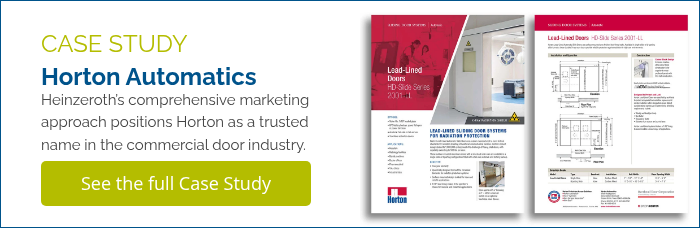
Educate to build authority. Host AIA-accredited continuing education courses. Horton Automatics built deeper engagement with architects by offering valuable content rather than relying on a hard sell. Teaching your audience positions your brand as a trusted resource and keeps you top of mind when specification time arrives.
-
Tell real stories. Case studies and project spotlights humanize your technical strengths. Endicott's targeted project spotlights and digital advertising drove a significant lift in architect engagement and social referrals. Show how your product performed in a project similar to the one your audience is designing.
Why Heinzeroth Marketing Group Is the Partner You Need
Connecting with architects takes a strategic marketing approach that blends creative design with technical precision. That's where we come in.
Heinzeroth Marketing Group has decades of experience helping building product brands engage architects, engineers and contractors. We understand the specifier's mindset, and how to make it easy for buyers to choose your product. From specifier-friendly catalogs to digital campaigns and thought leadership, we turn your marketing messaging into an engaging reality that inspires architects to specify your brand. Contact us to start a conversation.

Frequently Asked Questions
What do architects look for most when specifying building products?
Architects prioritize risk mitigation above all. They want verified performance data, code compliance, warranties and a proven track record. They also value easy access to technical information, design flexibility and clear sustainability credentials.
How can building product brands make it easier for architects to specify their products?
Provide BIM and CAD files, organize technical documents using CSI MasterFormat divisions and build a searchable specifier hub on your website. Remove gated forms from basic technical data so architects can find what they need instantly.
Why are BIM files so important to architects?
BIM files integrate directly into an architect's design workflow. When your product is embedded in the building model with accurate data, it becomes part of the project's digital twin—making it far less likely to be substituted during construction.
How do case studies help win more specifications?
Case studies provide the real-world proof architects need to reduce risk. Showing how your product succeeded in a similar project removes uncertainty and builds the confidence required to specify your brand.
How can marketing directors address architects' concerns about building codes?
Lead with third-party testing, certifications and code listings. Implement a quarterly review of your technical documents so your specifications always reflect current local and national standards, removing a key barrier to specification.



Comments