
Introduction
For consumer product manufacturers, winning in big-box retail is a primary business goal. Securing and maintaining shelf space at stores like The Home Depot, Lowe’s and Menards takes more than a great product. It requires a marketing strategy that captures attention at every touchpoint.
This guide is for marketing directors at DIY product manufacturing companies who need practical, actionable marketing strategies to elevate their brand’s presence. We will focus on three critical components of retail marketing success: packaging, point of purchase (POP) displays and advertising. Executing well in these three areas creates a powerful and cohesive strategy that meets retailer expectations and resonates with your target audience to build a plan that wins on the shelf.
Heinzeroth Marketing Group provides marketing for DIY consumer products companies to build brand value and win retail shelf space. Learn more about our approach.
The Power of Packaging: Your First Impression
In the big-box store, your product’s packaging is its most important marketing tool. It’s your silent salesperson, working to communicate value, build trust and close the sale. Effective packaging does more than just contain a product. It tells a story, differentiates your brand from competitors and makes it easy for shoppers to choose you.
Aligning Packaging with Consumer Values
Today’s consumers are more informed and values-driven than ever. They seek brands that align with their personal principles, particularly regarding sustainability and convenience.
-
Sustainability: Shoppers are actively looking for eco-friendly options. Packaging made from recycled materials, that is fully recyclable or minimizes waste sends a powerful message. This trend can be good for the planet and for your business. Brands that demonstrate a commitment to sustainability can gain a significant competitive edge.
-
Convenience: DIY customers appreciate simplicity. Your packaging should make their lives easier. This can manifest in several ways, including clear instructions, easy-to-carry handles for bulky items or designs that show the product in use. When a customer can quickly understand how your product solves their problem, you remove a major barrier to purchase.
Designing for the Digital and Physical Shelf
Your packaging must perform effectively in two distinct environments: the physical store aisle and the digital product page.
-
The Physical Shelf: In-store, your package needs to stand out among a sea of competitors. This requires bold graphics, a clear brand identity and a concise messaging hierarchy. The most important information, what the product is and its key benefit, should be visible from a distance. Use color, shape and typography to create a visually distinct presence that draws the eye.
-
The Digital Shelf: Online, the rules are different. Your packaging will be viewed as a small thumbnail on a retailer's website. Intricate details are lost, so simplicity is key. The brand logo and product name must be legible even at a small size. High-quality product imagery, including multiple angles and lifestyle shots, are essential to supplement the information conveyed by the package itself.
Actionable Packaging Strategies
-
Conduct a Competitive Audit: Walk the aisles of your key retailers. Analyze what your competitors are doing well and where their packaging falls short. Identify opportunities for your brand to differentiate itself visually and through messaging.
-
Prioritize Your Messaging: A cluttered package is an ineffective one. Determine the top one or two things a customer must know to make a purchase and make them the focal point of your design. Use icons and brief text to highlight secondary benefits.
-
Invest in Quality Materials: The feel of the package influences the perceived quality of the product inside. Sturdy, well-constructed packaging suggests a premium product, while flimsy materials can undermine a customer’s confidence.
-
Test Your Designs: Before a full rollout, test your packaging designs with your target audience. Gather feedback on clarity, appeal and perceived value. Use A/B testing on digital platforms to see which packaging images lead to higher click-through and conversion rates. Conduct surveys for ask your brand’s social media audience for feedback on different package designs.

Dominating at the Point of Purchase
Once your packaging has drawn a shopper in, point of purchase (POP) displays are your next opportunity to guide them toward a sale. POP marketing encompasses all in-store materials that highlight your product, from shelf talkers and endcap displays to interactive kiosks. When executed well, POP can interrupt a shopper’s routine, introduce them to your product and drive impulse buys.
The Role of POP in the Customer Journey
In a big-box store, many shoppers arrive with a general need but not a specific brand in mind. This is where POP displays serve several key functions:
- Education: POP can quickly communicate product benefits, usage instructions or project ideas. A QR code on a display can link to a how-to video, providing valuable information at the moment of decision.
- Interruption: A creative and visually appealing display can break a shopper’s "autopilot" mode, encouraging them to consider a product they might have otherwise overlooked.
- Promotion: POP is the perfect vehicle for announcing special offers, new products or seasonal promotions. It creates a sense of urgency and encourages immediate purchase.
Types of Effective POP Displays
Not all POP is created equal. The right format depends on your product, your goals and your retail partner’s guidelines.
- Endcap Displays: Located at the end of aisles, these are high-traffic, high-visibility placements perfect for new product launches or major promotions.
- Shelf Talkers: Small signs attached to the shelf edge, shelf talkers are a cost-effective way to call out key features, awards or promotions directly where your product is merchandised.
- Pallet Displays: For high-volume products, a pallet display placed in a main aisle can move a large amount of inventory quickly.
- Interactive Displays: Digital screens or displays that allow customers to interact with content can create a memorable experience. Imagine a paint brand with a kiosk that lets shoppers visualize colors in a room setting.
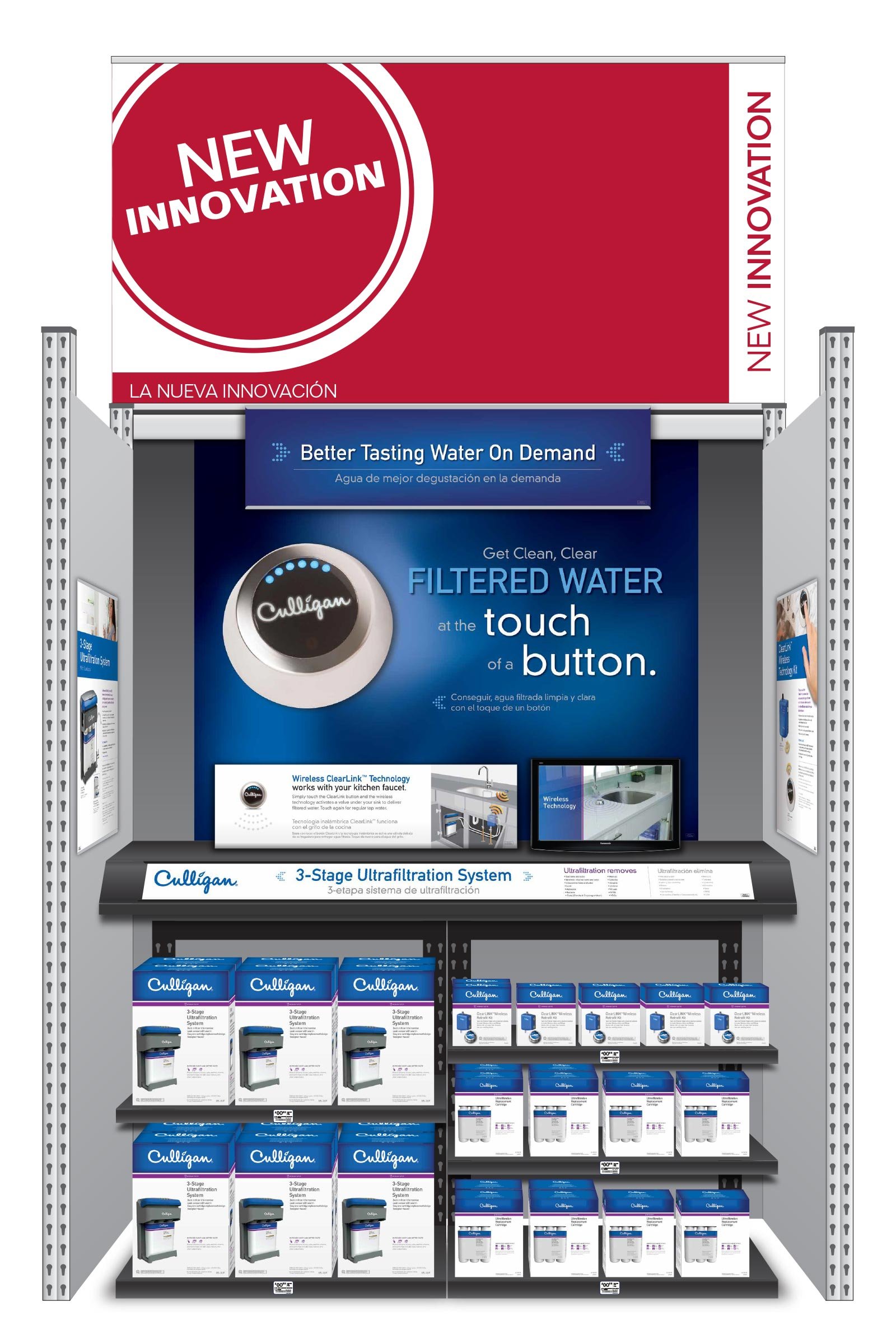
Heinzeroth designed endcap displays for Culligan Water, with placement in Lowe's. See the case study here.
Strategies for Impactful POP
- Think Like a Retailer: Before you design a single display, understand your retail partner’s needs and restrictions. Propose solutions that are easy for them to install and that align with their store flow. A great idea is useless if it violates store policy.
- Keep it Simple and Visual: Your message must be understood in a glance. Use a strong headline, compelling imagery and minimal text. Show the product in use to help customers visualize the result.
- Integrate with Your Brand: Your POP displays should be a seamless extension of your overall brand identity. Use the same colors, fonts and tone of voice found on your packaging and in your advertising for a cohesive brand experience.
- Incorporate a Call to Action: Tell the shopper what you want them to do next. Whether it's “Scan for a How-To Video,” “Limited Time Offer” or simply “Try Me,” a clear call to action can lift sales.

Advertising That Drives Foot Traffic and Sales
While packaging and POP displays handle the in-store battle, advertising is what gets customers to the store in the first place. A strategic advertising plan builds brand awareness, creates demand and directs motivated buyers to your retail partners. For DIY brands, an integrated approach can be the most effective by combining the broad reach of digital advertising with the targeted impact of retailer-specific marketing.
Integrating Digital and Traditional Advertising
Your customers exist both online and offline, and your advertising should too. The goal is to create a seamless journey that guides them from discovery to purchase.
Digital Advertising
- Social Media: Platforms like Instagram, Facebook and Pinterest are ideal for showcasing DIY projects and inspiring creativity. Use video content, such as tutorials and before-and-after transformations, to engage your audience.
- Search Engine Marketing (SEM): Bid on keywords that potential customers use when searching for solutions to their problems, such as “how to fix a leaky faucet” or “best deck stain.” This captures high-intent traffic.
- Geotargeting: Use location-based ads to target shoppers near your retail partners' stores. You can deliver promotions and messages encouraging them to visit a specific Home Depot or Lowe’s location.
Off-Line Advertising
While digital is dominant, traditional channels also play a role. Targeted print ads in DIY magazines or local radio spots during peak home improvement seasons can complement your digital efforts and reach different segments of your audience.
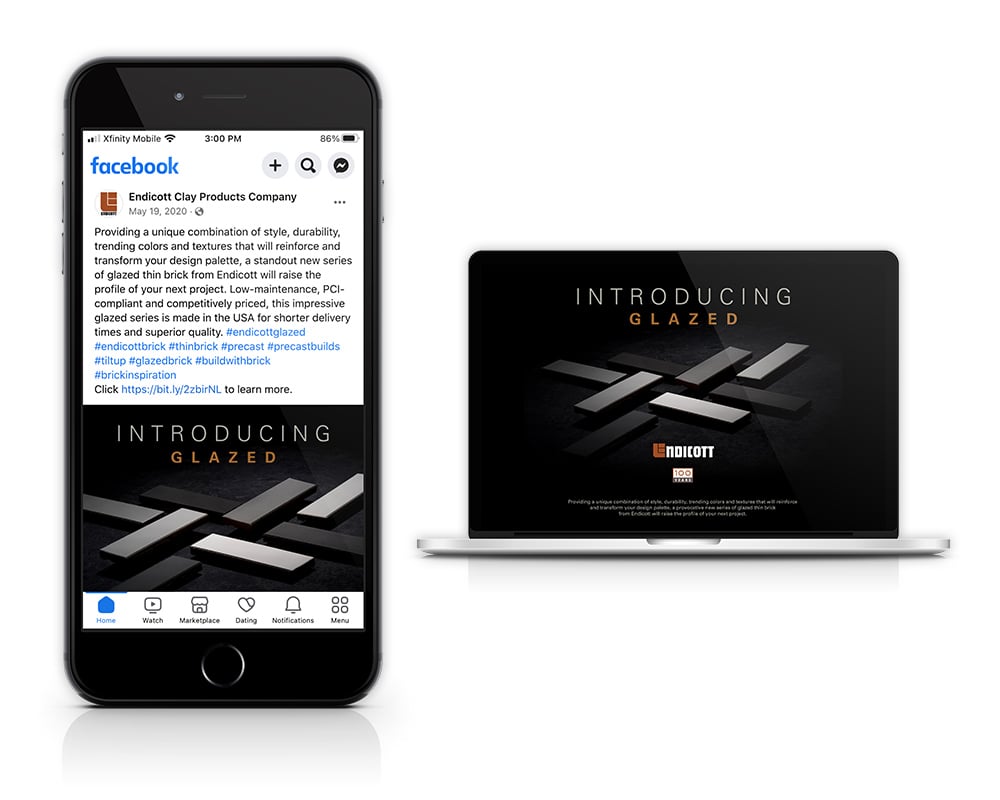
Heinzeroth social media strategy for Endicott increased referrals almost 20%. Learn more. See the case study here.
Co-Marketing with Retail Partners
One of the most powerful strategies for driving retail sales is collaborating directly with your retail partners on advertising efforts. This demonstrates your commitment to their success and leverages their massive marketing reach.
- Retailer Circulars: Securing a spot in a retailer’s weekly ad puts your product in front of millions of motivated shoppers.
- Digital Promotions: Participate in retailer-led digital events, such as online sales or themed promotions. Align your own social media campaigns to support these events.
- In-Store Events: Sponsor or participate in in-store workshops or demo days. This puts your product directly into the hands of customers and creates a memorable brand experience.
Measuring Advertising ROI
To prove the value of your advertising spend to both your internal team and your retail partners, you need to track what matters.
- Track Sell-Through Rates: Monitor how your advertising campaigns impact product sales at the store level. Are you seeing a lift in sales in regions where you are running targeted ads?
- Use Unique Promo Codes: When running digital campaigns, use unique codes or trackable links for each retail partner. This helps you attribute sales directly to specific advertising efforts.
- Monitor Website and Social Analytics: Track metrics like click-through rates, engagement and website traffic from your ads. This provides insight into which messages and creative formats are resonating most with your audience.
By tying your advertising efforts to concrete sales data, you can optimize your strategy for maximum impact and build a stronger case for continued investment and partnership with your retailers.

Bringing It All Together
In the competitive world of big-box retail, success is the result of a deliberate, integrated strategy where packaging, point of purchase displays and advertising work in harmony.
Your packaging is the face of your brand on the shelf. Your POP displays are the in-store guide that turns interest into action. And your advertising is the engine that creates demand and drives customers to the store. When these three elements are aligned, they create a powerful narrative that resonates with consumers and demonstrates undeniable value to retail buyers.
The strategies outlined in this guide provide a framework for building that narrative. By focusing on consumer values, designing for both the physical and digital shelf and fostering strong partnerships with retailers, you can elevate your brand above the competition.
Now is the time to put these insights into action. Review your current strategy, identify areas for improvement and start building a marketing plan that wins at every touchpoint.
How We Can Help
Heinzeroth Marketing Group specializes in helping DIY brands like yours navigate the complexities of the retail market. If you’re ready to discuss how to execute your marketing plans with measurable success, contact us.
