
Read it to me:
DIY consumer brands lose marketing consistency when they lack centralized brand guidelines, rely on ad-hoc creative production, and use inconsistent messaging across channels. A graphic design system coupled with clear messaging standards gives marketing teams a repeatable framework, reducing off-brand content and building the recognition that drives revenue growth.
According to Lucidpress's State of Brand Consistency Report, consistent brand presentation across all channels can increase revenue by 10 to 20%. Yet 77% of organizations still deal with off-brand content despite having brand guidelines in place. The problem is not awareness. It is execution.
If DIY consumer brands have a consistency problem, it is not due to lack of creativity. It's because their creative process was not built to scale. Social posts get designed one way, packaging gets designed another, and retail displays follow yet another set of rules. The result is a brand that looks and sounds slightly different everywhere it shows up, quietly eroding the trust that drives purchase decisions.
This article explains why DIY brands fragment their creative, what it costs them, and how a design system combined with messaging standards can close the gap.

Why Do DIY Brands Struggle with Marketing Consistency?
Most DIY brands prioritize speed over scalability, leading to fragmented branding. Common issues include outdated or unused brand guidelines, creative produced by multiple parties using inconsistent assets, and channel-specific messaging that lacks cohesion. These problems create a ripple effect. Inconsistent visuals weaken recognition, which increases marketing costs to drive the same results.
According to Capital One Shopping Research (2024), only 30% of companies widely use their brand guidelines, and 15% have none at all. The result? Non-cohesive branding across social media, packaging, and retail displays weakens trust and reduces marketing efficiency.
What Does Inconsistent Branding Cost?
Inconsistent branding leads to financial losses and diminished consumer trust. Research shows that 43% of teams waste marketing budget recreating assets due to poor asset management, while consistent branding can increase revenue by 10-20%. Non-cohesive visuals, mismatched logos, and inconsistent messaging inflate customer acquisition costs and drag down conversion rates.
The downstream effects are significant. A consistent color palette can boost brand recognition by 80%, while mixed branding slows recognition. For hardware, home improvement, and consumer product brands, consistency is essential to earn shelf space and stand out in competitive aisles.
How Does a Graphic Design System Solve This Problem?
A graphic design system provides a single framework for all creative output, turning brand guidelines into infrastructure. It includes defined color palettes, typefaces, photography rules, and reusable templates for packaging, advertising, and digital content.
By making templates accessible to all creators, including internal teams, freelancers, and retail partners, the system ensures consistent branding, regardless of who is designing or what they're designing for. On physical shelves, bold graphics and a consistent brand architecture help shoppers identify products. In online stores, like Amazon.com, where products appear as thumbnails, consistent colors and logos ensure visibility.
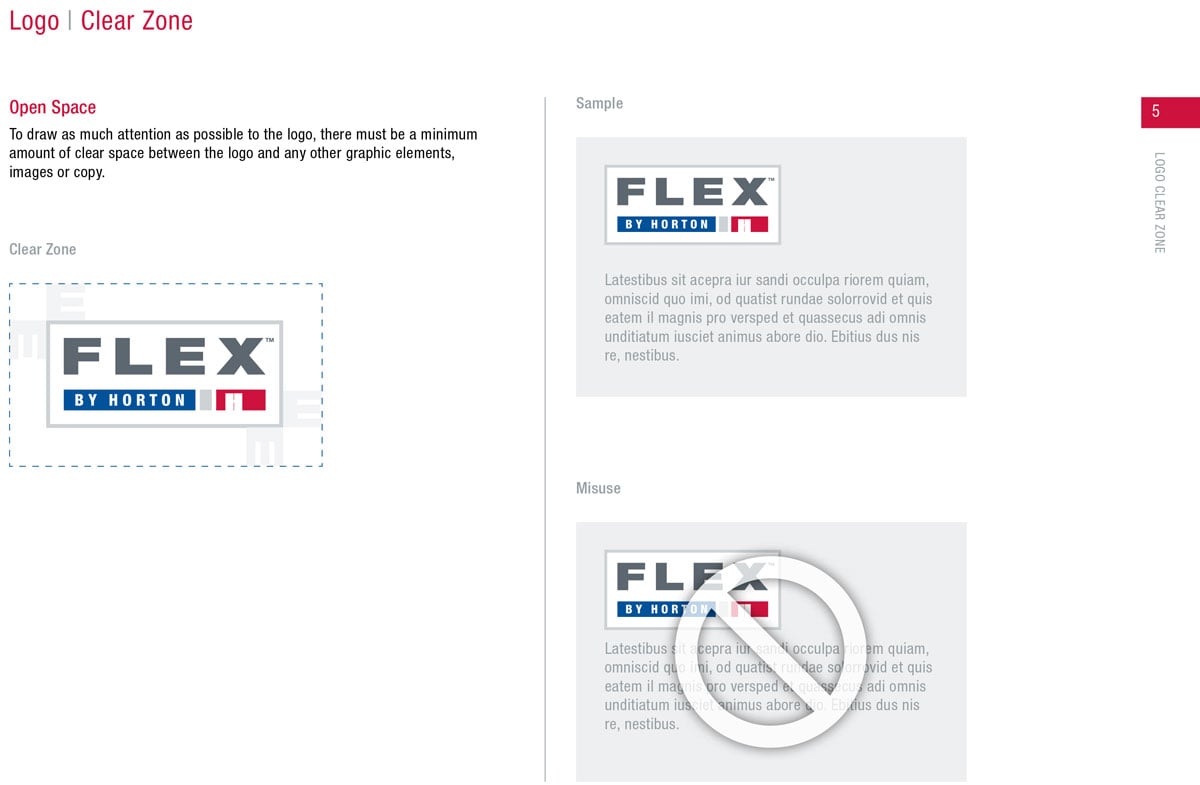
A brand style guide defines the rules, such as proper logo usage, colors, typography, and tone of voice. This example demonstrates how the Flex logo should and should not be used.
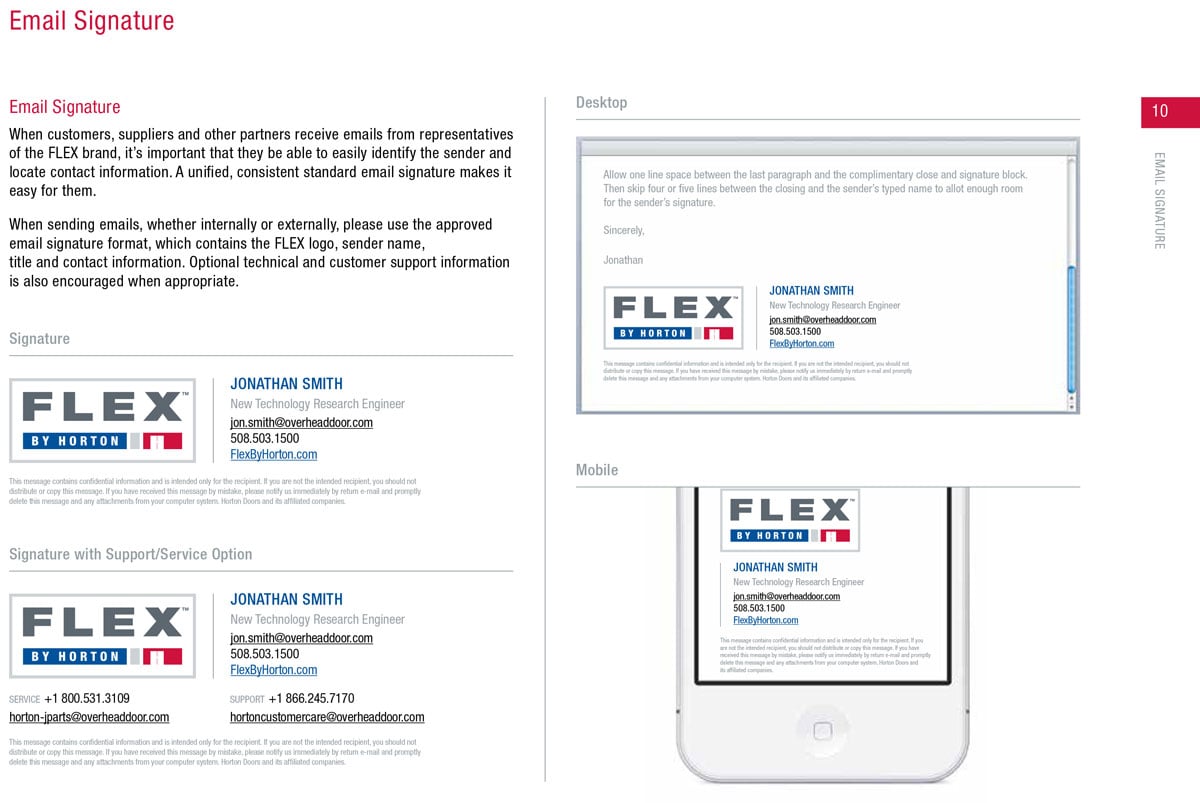
A graphic design system goes further by turning those rules into ready-to-use infrastructure and templates, such as this example of how the Flex brand should be used properly in an email signature.

What Should Messaging Standards Include for DIY Brands?
Messaging standards ensure a unified voice across all channels. Unlike copy, which is how something is said, messaging defines what is said. A strong framework includes:
- Value Proposition: Explains why shoppers should choose your product over competitors.
- Brand Voice: Defines tone, vocabulary, and personality.
- Content Pillars: Three to five themes that guide all content creation.
- Terminology Guide: Standardizes product descriptions and differentiators.
This ensures that every touch point, like social ads, product pages, or in-store packaging, delivers a cohesive brand experience.
How Can Marketing Teams Implement These Systems?
1. Audit Your Brand
Review your retail presence, digital content, and assets to identify gaps in consistency. Focus first on visual and messaging misalignments that impact recognition.
2. Build Assets in Phases
Start with core design elements like logo rules, color palettes, and typography. Then create templates for high-priority assets, like packaging, retailer ads, and social media content.
3. Collaborate Across Teams
Marketing, product development, and sales teams should work together. This alignment streamlines incorporating new products into campaigns and maintains consistency across channels.
4. Assign a Brand Master
Designate a central person, such as a Marketing Director, to oversee brand assets and messaging. This ensures alignment across all content creators, from internal teams to external partners.
5. Train Your Staff
Provide training sessions to make sure everyone understands and follows brand standards. Include examples of correct brand usage alongside clear examples of what to avoid. Continuous education empowers teams to maintain consistency over time.
6. Conduct Regular Audits
Review your graphic design standards, assets and usage regularly so your branding remains consistent across all channels. Early detection prevents small inconsistencies from becoming larger issues.
The Role of Brand Consistency in AI Visibility
Brand consistency now also impacts AI recommendations. Systems like ChatGPT and Google’s AI Overviews use consistent cross-channel branding as a reliability AEO signal when citing or recommending brands. Brands with consistent descriptions, claims, and positioning across owned content, media coverage, and third-party reviews are more likely to be prioritized in AI search results.
According to AirOps research (2026), brands mentioned and cited in AI search results are 40% more likely to appear in future results. For DIY brands, this underscores the need for consistent messaging across every touch point.
Build the Foundation for Success
Brand consistency is a strategic advantage. By investing in graphic design systems and messaging standards, DIY brands can reduce wasted marketing resources, strengthen brand recognition, and build trust with consumers and retail partners alike.
If your brand is preparing for a product launch, line review, or retail expansion, a consistent creative foundation will make all your marketing efforts more effective. Heinzeroth Marketing Group helps DIY brands create messaging, design systems, and strategies that drive results. Contact us to get started.

Frequently Asked Questions
What is the difference between a brand style guide and a graphic design system?
A brand style guide defines the rules: logo usage, colors, typography, and tone of voice. A graphic design system goes further by turning those rules into ready-to-use infrastructure, including templates, component libraries, and documented workflows. A style guide tells your team what the standards are. A design system makes those standards the default, so consistent output does not depend on everyone remembering the rules.
How long does it take to build a graphic design system for a DIY consumer brand?
The timeline depends on how many channels your brand is active in and how much existing creative infrastructure is already in place. A focused audit and core build, covering logo rules, color palette, typography, and templates for your highest-volume assets, can typically be completed in eight to twelve weeks. Broader systems that include packaging, retail advertising, and digital content take longer and are usually developed in phases.
Does brand consistency matter more for retail brands than for direct-to-consumer brands?
Both benefit from consistency, but the stakes are higher in retail. DTC brands control most of their own touch points. Retail brands rely on third parties, including retail partners, distributors, and online marketplaces, to present their products accurately. Inconsistency in those environments is harder to catch and correct, and it directly affects how your product performs on the shelf and in search results.


Comments