
Introduction
Specifiers hold a unique and powerful role within the building product sales cycle. Their decisions influence which materials and products make it into project plans and directly impact a brand’s market presence and bottom line. Yet, engaging with specifiers comes with a distinct set of challenges. From navigating technical requirements to fostering credibility, building product brands often find themselves competing for limited attention in a highly specialized field.
Specifiers need more than just high-quality products. Architects, engineers and contractors seek out clear, accurate, and accessible information to make informed decisions quickly. Specifier-friendly marketing materials, like comprehensive spec sheets and BIM objects, help bridge this gap. However, the real differentiator lies in building trust by showing reliability, industry expertise, and a deep understanding of their needs.
This article will guide you through proven marketing strategies to connect with specifiers in meaningful ways. From crafting compelling materials to creating targeted campaigns, we’ll explore actionable approaches for getting your products specified and becoming a trusted partner within this critical audience.
Heinzeroth Marketing Group specializes in helping building product brands address their marketing challenges, delivering solutions that elevate visibility and drive results with specifiers. Learn more about our approach.
Now, let's uncover how you can win the specifier.
Key Elements of Specifier-Friendly Marketing Materials
The materials you provide to specifiers play a major role in determining whether your products are included in their finalized project plans. For marketing directors in the building products industry, creating specifier-focused materials is about more than simply meeting minimum requirements. It’s about standing out and making the specification process as seamless as possible. From technical documentation to design resources, the content you create must be clear, accurate, and highly accessible.
1. Spec Sheets Designed for Efficiency
Spec sheets are often the first point of reference for specifiers deciding whether your product meets a project’s requirements. An effective spec sheet provides all the critical details, including dimensions, materials, compliance certifications, and performance ratings, all in an easily digestible format.
Use concise language, clear headings, and tables to organize information. When space allows, implement visual aids like diagrams or illustrations to enhance comprehension. Avoid dense paragraphs and break content into sections to allow for quick scanning. If your product information is on your website, present it in a plain text format that the specifier can easily copy and paste into their specification.
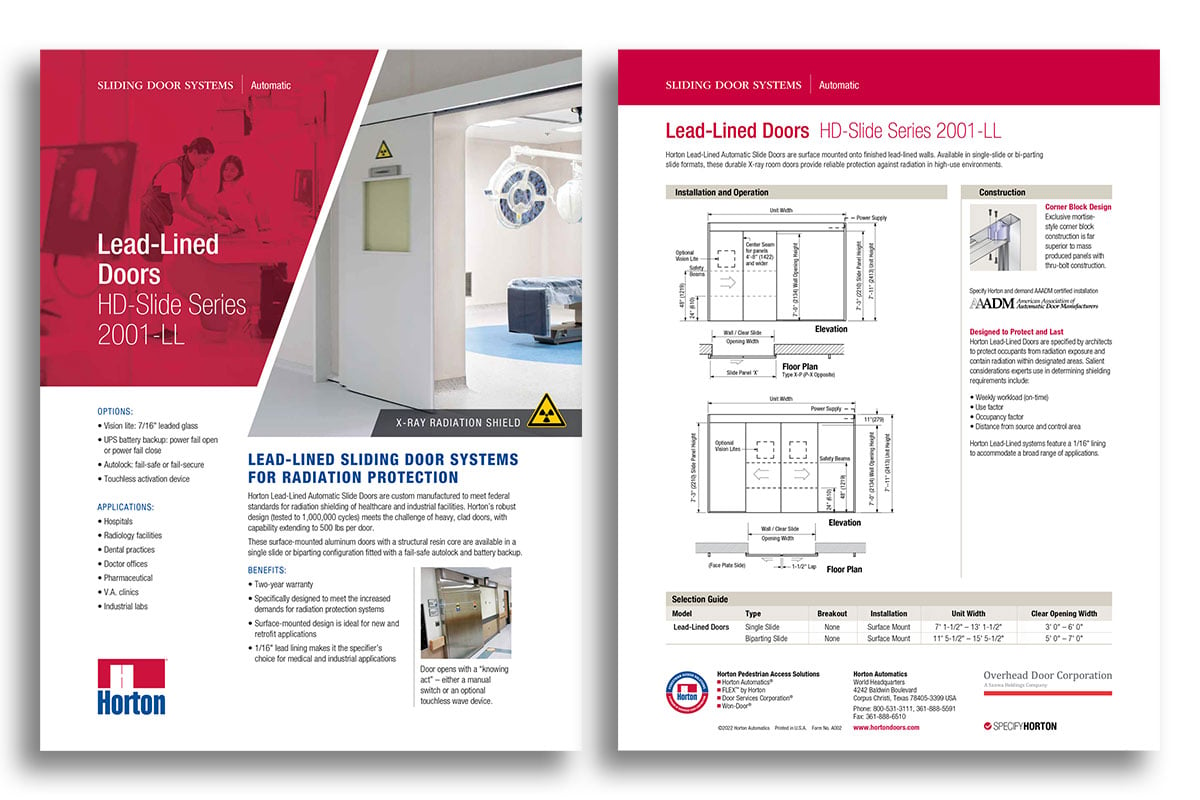
Heinzeroth designed dozens of spec sheets for many of Horton Automatics' products. Click here to see more examples.
2. CAD Files and BIM Objects
Architects and engineers work with Computer-Aided Design (CAD) files and Building Information Modeling (BIM) objects during the planning and design process. Providing accurate, downloadable versions of your products in these formats not only makes it convenient for specifiers to recommend your product, it also builds trust in your ability to support their work.
To maximize usability, ensure CAD and BIM files are compatible with commonly used platforms. Add metadata to these files, such as product descriptions and part numbers, so your brand remains tied to the specification even as designs evolve.
3. Installation Guides for Confidence in Application
Specifiers don’t just want to know about the product. They want to know it will be easy to install and integrate. Your installation guides should provide clear, step-by-step instructions that reduce uncertainty for the specifier and their team. Leverage annotated diagrams, photos, and concise descriptions to make your guides as approachable as possible. Specify the necessary tools, materials, or conditions required to ensure proper application. When appropriate, include links to additional resources such as demo videos or on-demand customer support.
PRO TIP:
Make all digital files available for specifiers to download from your website. Digital files may also be useful to support your sales reps who can email specific assets to their contacts.
Creating Clarity and Accessibility
Specifier-focused materials must eliminate barriers to understanding. Here’s how you can achieve clarity and accessibility:
-
Speak their language: Avoid marketing jargon and overly technical terminology that isn’t relevant or explained. Use familiar terms that resonate with industry professionals.
-
Adopt standardized layouts: Stick to uniform formats that specifiers recognize and trust. For example, group performance metrics together in the same section across all spec sheets to establish consistency.
-
Provide cross-references: Integrate links within digital documents that direct specifiers to related information, such as code compliance details or sustainability reports.
-
Prioritize legibility: Use high-contrast designs and readable font sizes, ensuring that materials are accessible on screens and when printed.
-
Make technical content visually appealing: Establish a visual hierarchy, placing the most critical information at the top of content or in bold to guide the reader’s attention.
Heinzeroth…Your Partner for Winning the Specifier
Heinzeroth Marketing Group specializes in crafting content that resonates with specifiers, like detailed spec sheets, interactive websites, or comprehensive installation guides. We understand what matters most to specifiers and how to make your products easier for them to specify. With our expertise, we can transform your technical content into high-performing marketing assets that increase your brand’s visibility and inclusion in project plans.
Building Trust and Credibility with Specifiers
To win over architects, engineers and contractors, trust and credibility are paramount. These professionals shape decisions for large-scale construction projects and rely on brands they can count on to deliver quality, consistency, and support. Building a strong reputation with this audience requires demonstrating reliability, showcasing industry expertise, and offering solutions tailored to their needs. Use these actionable strategies to help your brand develop meaningful and lasting relationships with specifiers.
1. Leverage Case Studies to Highlight Success
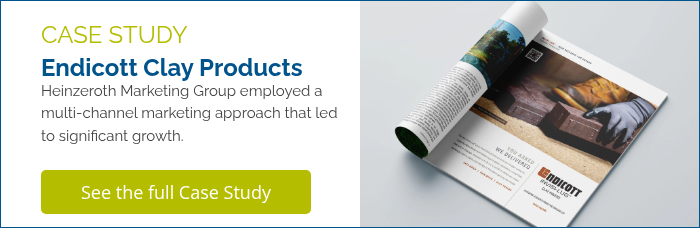
Case studies are an impactful way to demonstrate how well your brand delivers results. They provide specifiers with concrete examples of how your products have performed in real-world applications, helping to establish credibility. Focus on projects that resonate with the specifier’s unique needs and challenges while using clear, evidence-based storytelling.
-
Highlight key project details, such as the objectives, challenges, and the role your product played in addressing them.
-
Incorporate measurable outcomes, like cost savings, improved efficiency, or time reductions, to build confidence in your product’s capabilities.
-
Include visuals such as photos of completed projects or diagrams of your product in use, ensuring that technical accuracy is maintained.
- Add a testimonial or quote from a satisfied client sharing their positive experience with your product.
By showcasing your successes in action, you illustrate not only the quality of your offerings but also your commitment to supporting specifiers’ projects from start to finish.
2. Provide AIA-Accredited Continuing Education Courses
Many architects and specifiers are required to complete continuing education to maintain their licensure. By offering courses that are accredited by the American Institute of Architects (AIA), you can position your brand as a valuable partner in helping professionals develop their expertise while also introducing them to your products.
-
Develop relevant course topics: Focus on areas like sustainability, product innovation, industry regulations and other topics that align with specifiers’ goals and challenges.
-
Make it accessible: Deliver courses in various formats, including in-person workshops, webinars, or on-demand videos, to accommodate busy schedules.
-
Integrate product knowledge seamlessly: Use the courses as an opportunity to highlight your products in a way that feels natural and educational, not promotional.
This strategy not only enhances your credibility but also deepens specifiers’ familiarity with your brand, making them more likely to specify your products in the future.
3. Host Specifier-Focused Events and Webinars
Specifier-focused events and webinars are excellent tools for fostering direct engagement with your target audience. These platforms allow you to connect with specifiers in a more interactive setting, addressing their unique concerns and demonstrating your thought leadership.
-
Host industry-focused discussion panels: Invite industry experts and thought leaders to speak, offering specifiers valuable insights into market trends, best practices, or upcoming challenges.
-
Provide hands-on experiences: If hosting an in-person event, showcase your products with live demonstrations or interactive formats that allow specifiers to see and feel the quality firsthand.
-
Use webinars for broader reach: Webinars are a highly flexible format, letting specifiers join from anywhere. Include live Q&A sessions to directly engage attendees and address their specific questions in real time.
These experiences help establish a personal connection with your brand and give specifiers the confidence that your company understands their needs and priorities.
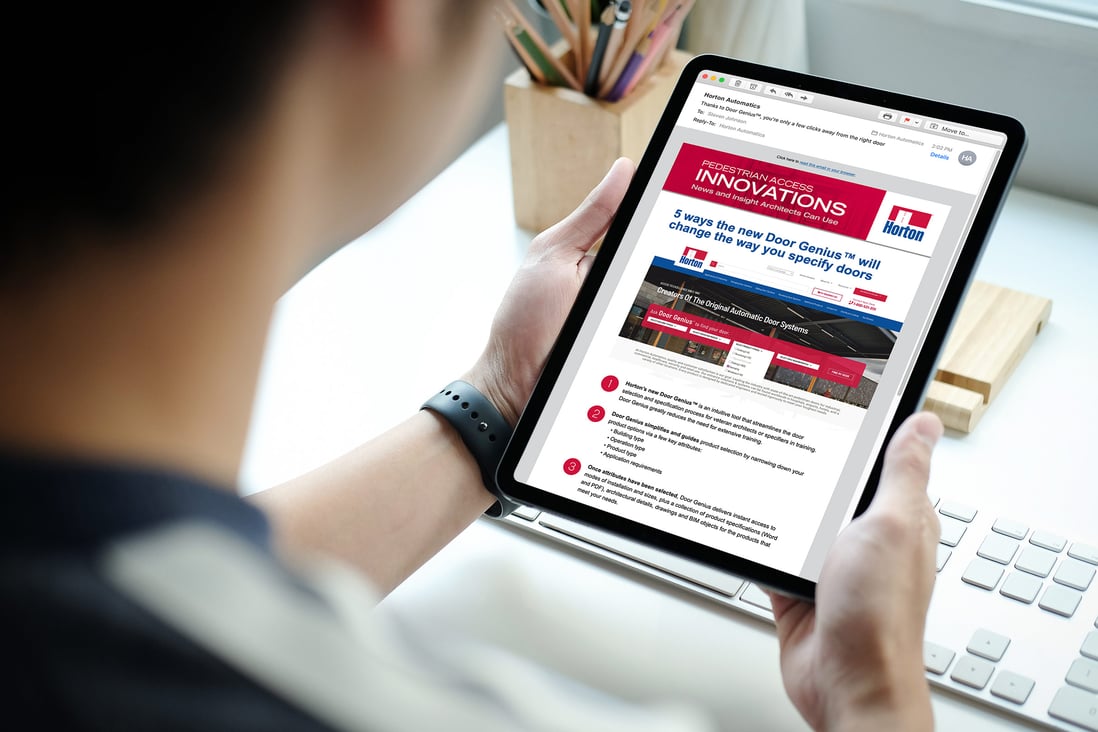
Horton Automatics' sales reps conduct frequent AIA certified webinars to educate architects and contractors on trends related to their products. Heinzeroth develops frequent email marketing campaigns to drive registrations to these events. See the case study to learn more.
PRO TIP:
Pre-register webinar attendees: Pre-registering attendees allows you to collect valuable contact information, seamlessly adding qualified leads to your CRM. This data can be leveraged for targeted follow-up campaigns and ongoing marketing efforts, maximizing engagement and conversion opportunities.
4. Demonstrate Industry Expertise at Every Opportunity
Trust is built on your ability to prove your brand as a subject matter expert in the building products field. Specifiers need to know they are working with a partner who can provide not only high-quality products but also valuable guidance on projects.
-
Publish thought leadership content: Develop articles, whitepapers, or videos that discuss trends, regulations, or innovations in the industry. Position your team as the go-to experts for timely, actionable insight.
-
Engage through social media: Share your expertise regularly on LinkedIn or industry-specific platforms. Directly connect with architects, engineers, and contractors by commenting on relevant discussions or sharing industry insights.
-
Collaborate with influencers: Partner with well-respected professionals in the design and construction fields to amplify your messaging and strengthen your credibility.
By turning your knowledge into an asset, you position your brand as more than just a supplier, but as a trusted resource for specifiers navigating the complexities of their work.
The Heinzeroth Advantage
Heinzeroth Marketing Group specializes in helping brands build strong, trusted relationships with architects, engineers, and specifiers. From crafting compelling case studies to designing AIA-accredited courses or developing online content, we focus on solutions that communicate your expertise and reliability to your most critical audiences. With our help, you can develop the tools and strategies you need to elevate your brand and secure more specifications.
Digital Tools and Channels for Reaching Specifiers
Specifiers select products that meet their project requirements, while offering aesthetic value or ensuring compliance with industry codes and standards. For building product brands, crafting a digital strategy tailored to their needs is essential for getting products specified and integrated into construction projects. Here are some effective tools and strategies to engage this influential audience.
1. Leverage Building Information Modeling (BIM) Libraries
BIM libraries are indispensable for specifiers, offering 3D models and detailed product data that can be easily added to project plans. By including your products in widely used BIM platforms like Autodesk Revit or ArchiCAD, you ensure your offerings are readily available to architects and engineers during the specification process.
To maximize the value of your BIM content:
-
Keep models up-to-date with accurate dimensions, components and material details.
-
Provide file formats compatible with multiple platforms.
-
Include pre-configured options to save time for specifiers.
2. Leverage CRM Contacts for Targeted Digital Ads
Your contact list is a goldmine for reaching the right audience at the right time. By leveraging the contacts in your CRM, you can create highly targeted digital ad campaigns that resonate with specifiers and industry professionals.
Here’s how to use your CRM for effective ad targeting:
-
Segment Your Contacts: Group your CRM contacts by role, company type, location, sales rep or past interactions. For example, separate architects, engineers, and contractors to tailor ads specifically to their needs.
-
Create Custom Audiences: Upload segmented contact lists to platforms like LinkedIn, Google Ads, or Facebook Ads to run targeted campaigns. Use these ads to promote BIM libraries, case studies, or new product certifications.
-
Retarget Website Visitors: Use CRM-integrated retargeting tools to re-engage specifiers who visited your website but didn’t take action, such as downloading a spec sheet or requesting a consultation.
-
Promote Timely Content: Share updates like new product launches, sustainability certifications, or resources via ads to keep specifiers informed. For instance, an ad campaign promoting a new line of hurricane-rated materials could drive clicks from the Atlantic and Gulf Coast regions.
By aligning your CRM data with ad platforms, brands can reach specifiers with tailored messaging, maximizing engagement and driving conversions.
Need recommendations for a CRM, or help mining data from the one you have? We can help. Contact us to get started.
3. Create Engaging Content for Specifier Platforms
Specifier-focused platforms like ARCAT, MasterSpec, and ConstructConnect are ideal for showcasing your technical expertise. Provide clear product specs, case studies, and installation guides to build trust and boost engagement.
Focus your content on:
-
Solving industry challenges with your products.
-
Sharing real-world success stories that highlight product performance.
-
Using videos or virtual walkthroughs to showcase versatility and ease of installation.
Additionally, emphasize key differentiators like sustainability, compliance with industry codes, and durability to stand out from competitors.
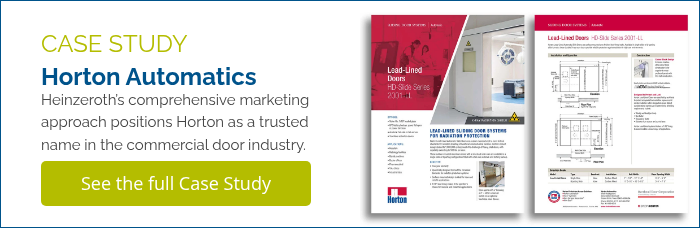
Horton's proprietary iSpecifyIt door specifier makes it easy for architects to specify Horton Doors. We produced this simple explainer video to demonstrate how the platform works. Click here to see our Case Study: Horton Automatics.
4. Send Targeted Email Marketing Campaigns
Email remains one of the most effective ways to reach specifiers who rely on detailed information for their projects. To make your email campaigns more impactful:
-
Segment Your Audience: Send tailored updates, such as new product certifications or performance guides, to specific specifier groups.
-
Include Strong CTAs: Link directly to BIM libraries, spec sheets, or scheduling consultations with technical experts.
-
Offer Downloadable Resources: Link directly to templates, certifications, or guides that specifiers can access and reference immediately.
5. Optimize Websites for Specifier Needs
Your website is often a specifier’s first stop when researching products. Ensure your site is optimized to provide the information they need:
-
Create a dedicated specifier resources section with BIM files and installation guides.
-
Implement robust search functionality for technical queries, such as dimensions or performance ratings.
-
Use a mobile-friendly design to make resources accessible on-site or in the office.
6. Measure and Refine with Analytics
Consistently measure the performance of your digital strategies to make sure they meet specifier needs. Use analytics tools to track:
-
BIM downloads and project placements.
-
Engagement rates on email campaigns and digital ads.
-
Website metrics, beyond number of visits, like time spent on resource pages and download frequency.
Key Takeaways
Digital tools and strategies offer building product brands powerful ways to engage specifiers and drive product specifications. From leveraging BIM libraries and CRM-driven ad campaigns to creating engaging content and optimizing websites, a thoughtful approach ensures your brand stands out. By meeting specifiers where they are with tailored, convenient solutions, you position your products as the go-to choice for their projects.
Conclusion
Successfully capturing the attention and trust of specifiers is essential for building product brands to thrive in today’s market. This whitepaper has explored critical strategies to achieve this goal, showing how aligning with specifiers’ needs and priorities can differentiate your brand.
By leveraging digital tools like BIM libraries, crafting specifier-focused marketing materials, and utilizing platforms tailored for architects and engineers, brands can streamline the specification process and stay top-of-mind. Trust is also a vital factor, achieved through transparent communication, proven product performance, and a commitment to meeting specifiers’ challenges head-on.
Implementing these strategies positions your brand as a trusted partner in the design and construction ecosystem, leading to increased specification rates, stronger market presence, and sustained growth.
Heinzeroth Marketing Group specializes in helping building product brands achieve marketing results. With decades of experience and a tailored, innovative approach, we empower you to take full advantage of the opportunities.
